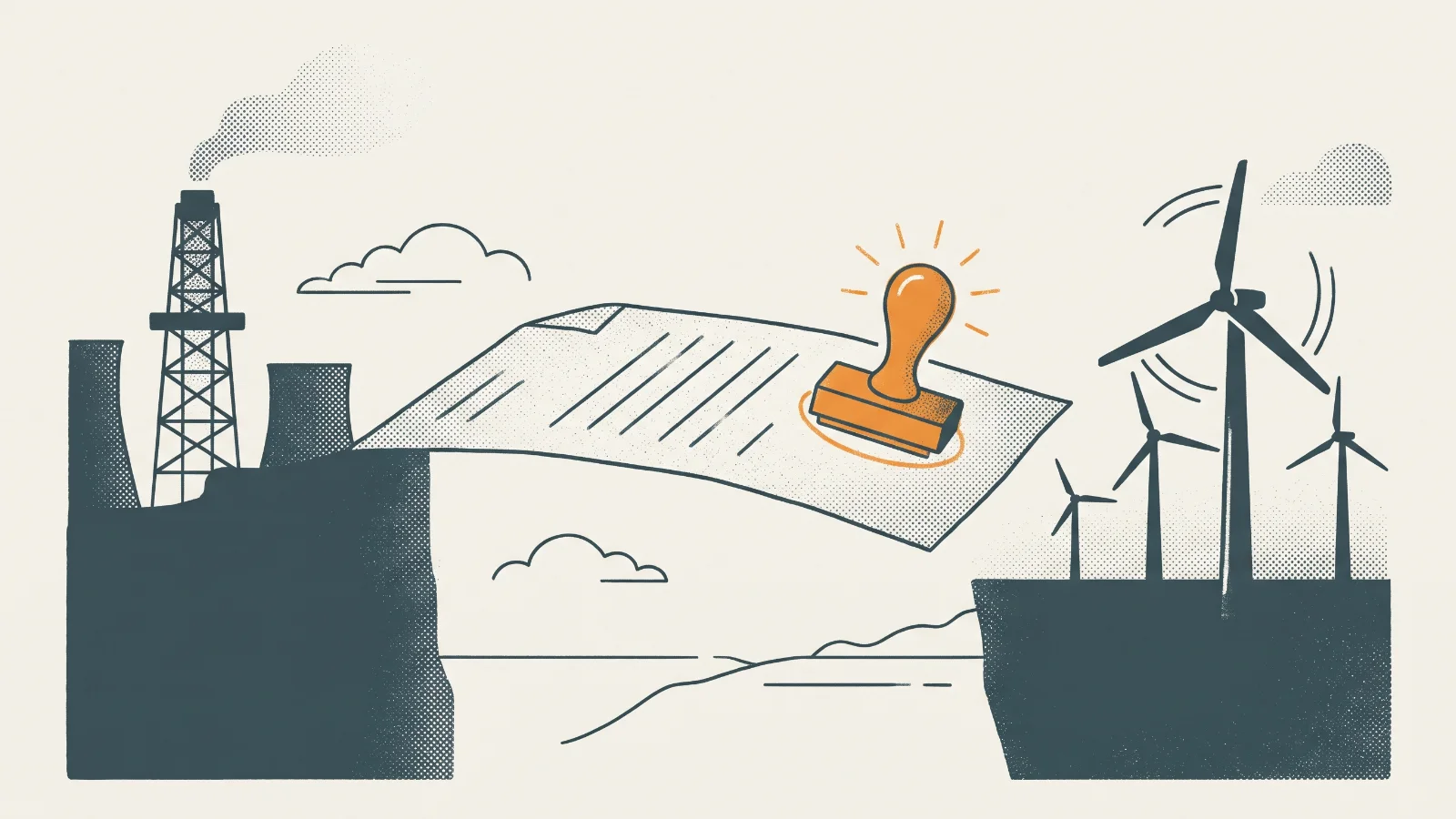
The US Senate is scheduled to vote on November 9 on the Bipartisan American Affordability and Jobs Act (BAAJA), a 417-page bill designed to accelerate the approval process for energy infrastructure projects. The legislation takes a technology-neutral approach, opening the door for both fossil fuel and renewable developments. Backed by the White House, the bill aims to speed up timelines by narrowing the types of projects that require federal permits and enacting new deadlines.
The proposed reform has drawn mixed reactions. An analysis by the American Clean Power Association suggests the bill could unlock 350 gigawatts of new clean energy. Conversely, the Natural Resources Defense Council warns that narrowing environmental reviews could damage public and private lands. The Rhodium Group found that in a best-case scenario, the bill could cut economy-wide emissions by 4 percent, reduce annual household energy bills by $78, and add 200 gigawatts of clean energy by 2040. In the worst case, emissions would stay about the same.
However, some experts warn the legislation could ultimately increase emissions. A model by Kevin Kircher, an energy modeler at Purdue University, indicated that if BAAJA had been in place in 2025, energy sector emissions and associated health risks from air pollution would have been higher than the actual baseline. The legislation creates a trade-off between expanding clean electricity and growing the fossil fuel industry, with concerns that lower prices could increase overall electricity demand.