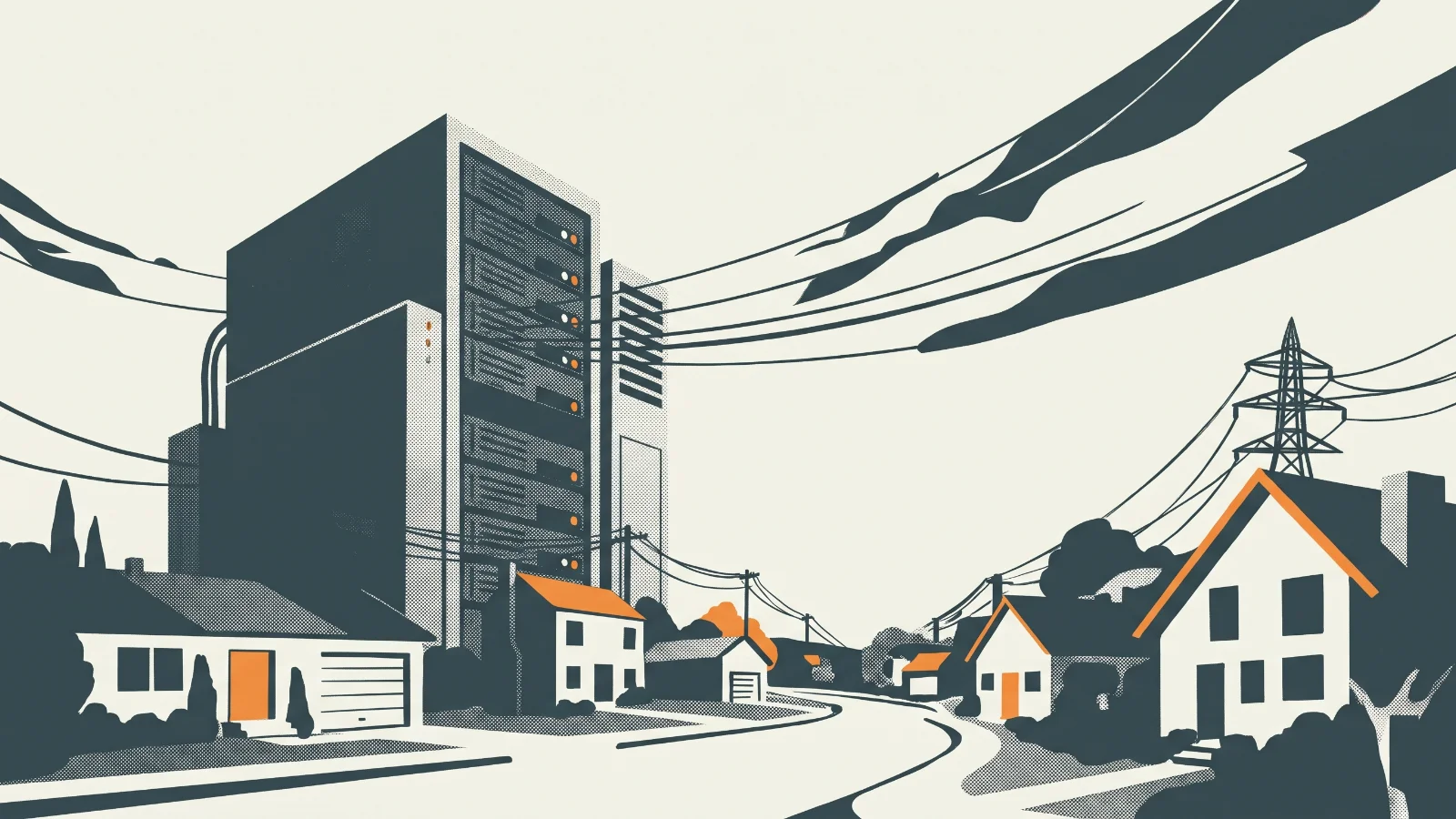
The rapid expansion of massive data centers, which serve as the physical foundation for artificial intelligence technologies, is sparking global conflicts over their environmental and infrastructural impact. The rush by tech companies to build facilities filled with energy-hungry servers has raised concerns regarding power grids, rising utility bills, and the well-being of nearby communities.
During the 2026 US midterms, data centers emerged as a major bipartisan issue, with voters largely opposing further expansion of these facilities at the polls. Local communities have expressed strong dissatisfaction with the environmental footprint of these projects, including their massive water usage and potential to increase climate pollution.
Following the election, Democratic leaders are now calling for stricter restrictions and slowdowns on data center construction. While major tech giants like OpenAI and Amazon are promising to work more closely with local communities and cover their own data center energy costs, they still have to grapple with the growing political and public backlash.
To address the immense power requirements and public resistance, companies are exploring various alternatives, from funding new nuclear plants to proposing data centers in space. However, the ongoing local battles, combined with concerns over air quality and electricity availability, suggest that the physical infrastructure needed for the AI boom will face significant regulatory hurdles.