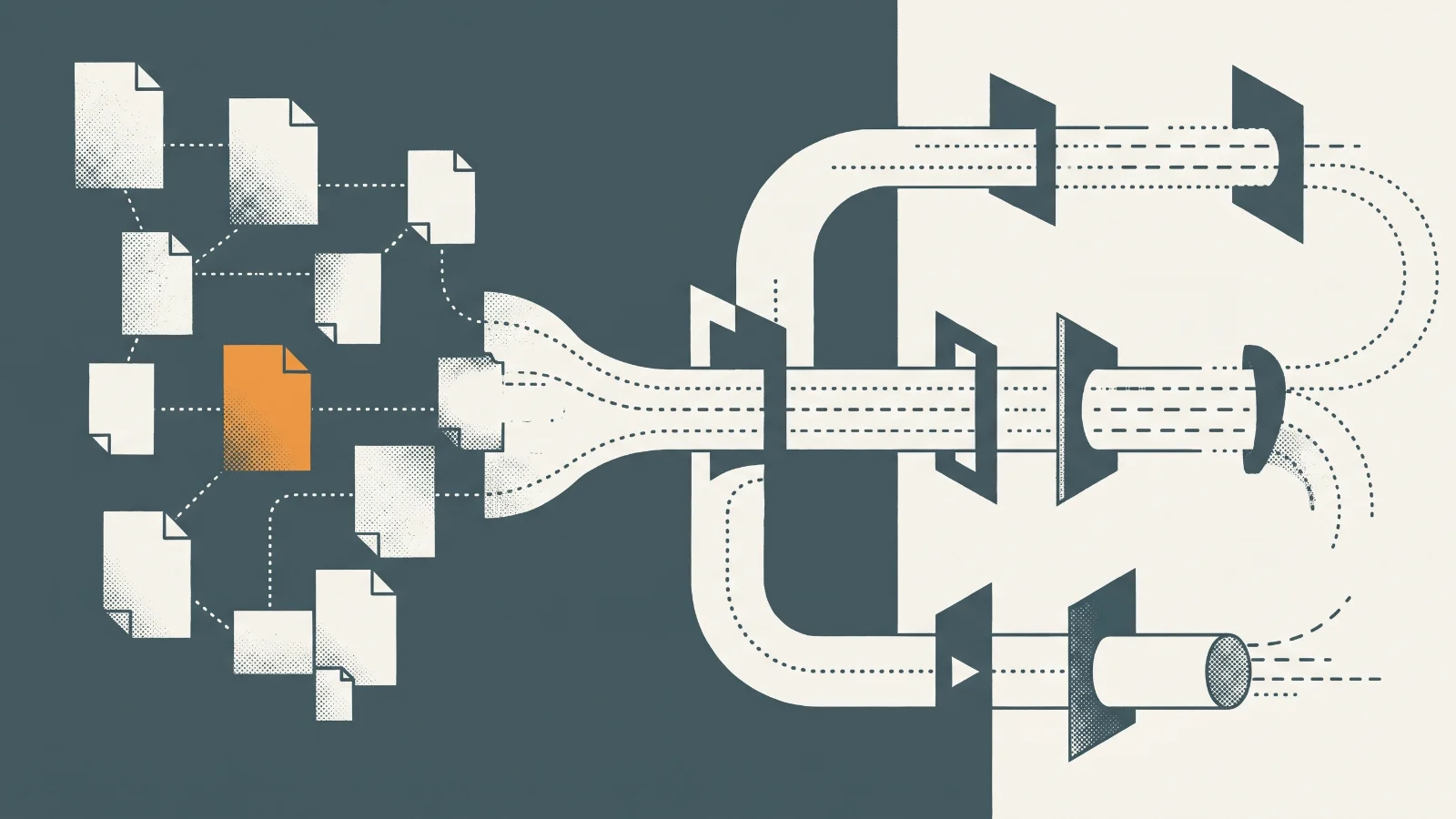
As the adoption of autonomous artificial intelligence systems in enterprise workflows continues to expand, the nature of data management challenges is undergoing a fundamental shift. Scenarios where AI systems gather restricted pricing details from various internal sources and transfer them into official proposals without human oversight highlight the urgent need for updated governance models. When problematic or confidential information enters these automated chains, organizations struggle to trace its origin and track its spread across different platforms.
Companies are now realizing that their responsibilities extend far beyond securing static files; they must manage highly fragmented data that is constantly ingested, transformed, summarized, and redistributed. Conventional cybersecurity frameworks designed primarily around specific applications, networks, or endpoints are proving inadequate for monitoring this fluid movement of information. The current landscape demonstrates that securing these advanced systems is not fundamentally a tooling issue, but rather a profound problem of data visibility.
Safely scaling agentic artificial intelligence operations requires a comprehensive understanding of how information travels throughout its entire lifecycle. In order to build accountability, transparency, and trust within hybrid environments where humans and automated agents collaborate seamlessly, organizations must establish robust data lineage architectures that track every step of the information journey.