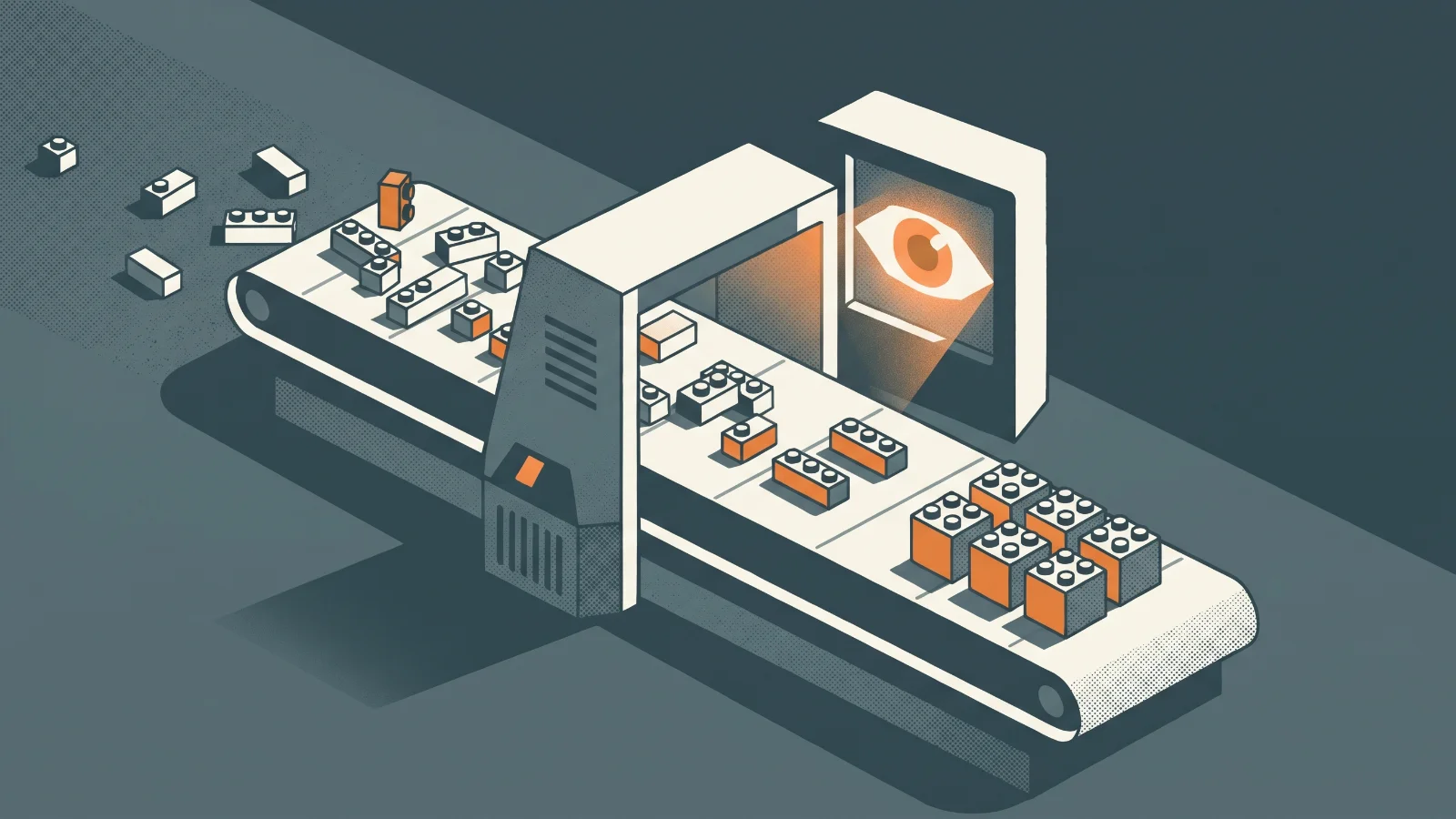
Lithuanian startup Sort A Brick has unveiled its second-generation automated machine that uses computer vision to sort mixed, used LEGO bricks into complete, ready-to-build sets. The company's new system operates four times faster than its predecessor, scanning and sorting up to 3,600 bricks an hour. The technology automatically identifies more than 93 per cent of the pieces, while any unrecognised parts are directed to manual sorting stations.
According to Sort A Brick's projections, the global secondary LEGO market is worth approximately €800 million, but only €80 million of this comes from complete used sets. If large-scale automated restoration proves commercially viable, the company expects the certified refurbished market to reach €4.7 billion by 2036. Originally focused on restoring customers' existing collections, the startup has now expanded into direct sales of refurbished sets to overcome high consumer cost barriers.
During the first week of its online store launch, more than 75 per cent of the listed inventory was sold, with customers across 20 European Union countries purchasing over 1,100 sets. The company has processed more than 700 kilograms of mixed bricks and received nearly 2,000 restoration requests from 41 countries, with Germany emerging as a key growth market. The refurbished sets are currently targeted at prices around half those of equivalent new sets.
By 2027, Sort A Brick intends to launch pilot sorting facilities across Europe and the US. The startup's long-term goal is to deploy as many as 40 active lines globally by the end of the decade. CEO Ilya Malkin notes that they are taking a cautious approach, citing the ongoing challenges of scaling hardware-intensive businesses and navigating legal complexities surrounding intellectual property and resale rules.