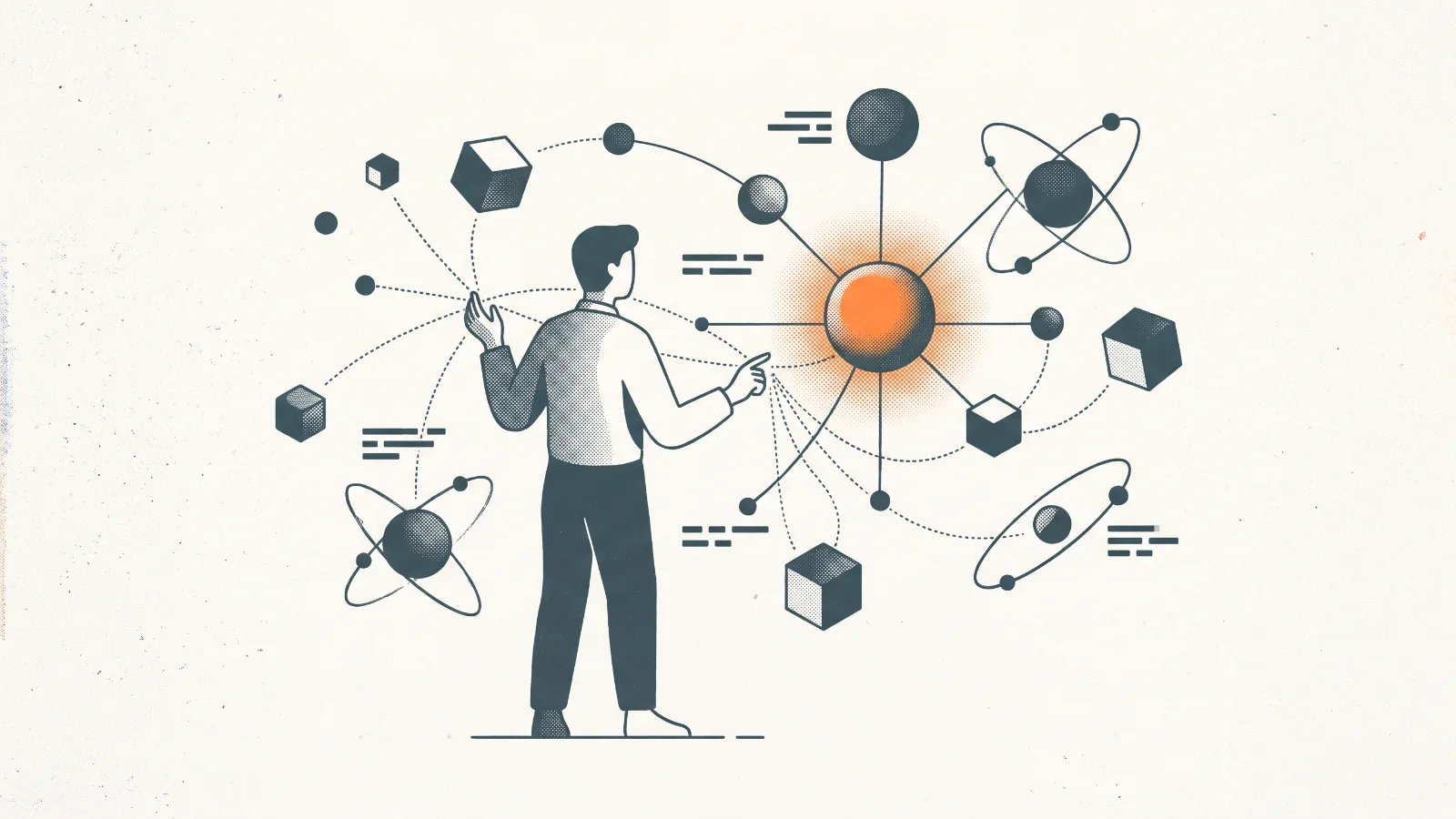
The integration of artificial intelligence (AI) into engineering projects is shifting the traditional role of engineers from executing individual technical tasks to coordinating complex workflows. While AI accelerates early-stage processes such as reviewing research, generating design options, and running simulations, human judgment remains essential for evaluating safety, practical context, and final decision-making.
Although the need for deep foundational knowledge in specific disciplines like electrical or mechanical engineering persists, systems thinking has become increasingly vital. Modern challenges frequently cross boundaries, involving hardware, software, economics, and human behavior. Engineers are now tasked with properly framing problems, asking the right questions, and orchestrating the collaboration between AI tools and specialized human experts. AI's limitations, such as producing convincing but flawed assumptions or optimizing for incorrect goals, highlight the continued necessity of human oversight and context.
In this evolving landscape, professional organizations like the IEEE are positioned to play a critical role. The IEEE could facilitate cross-disciplinary collaboration by creating communities focused on multifaceted problems and establish practical standards for human-machine interaction. Ultimately, the modern definition of an engineer is expanding beyond mere technical mastery to encompass the ability to navigate complex systems, manage uncertainties, and take responsibility for project outcomes.