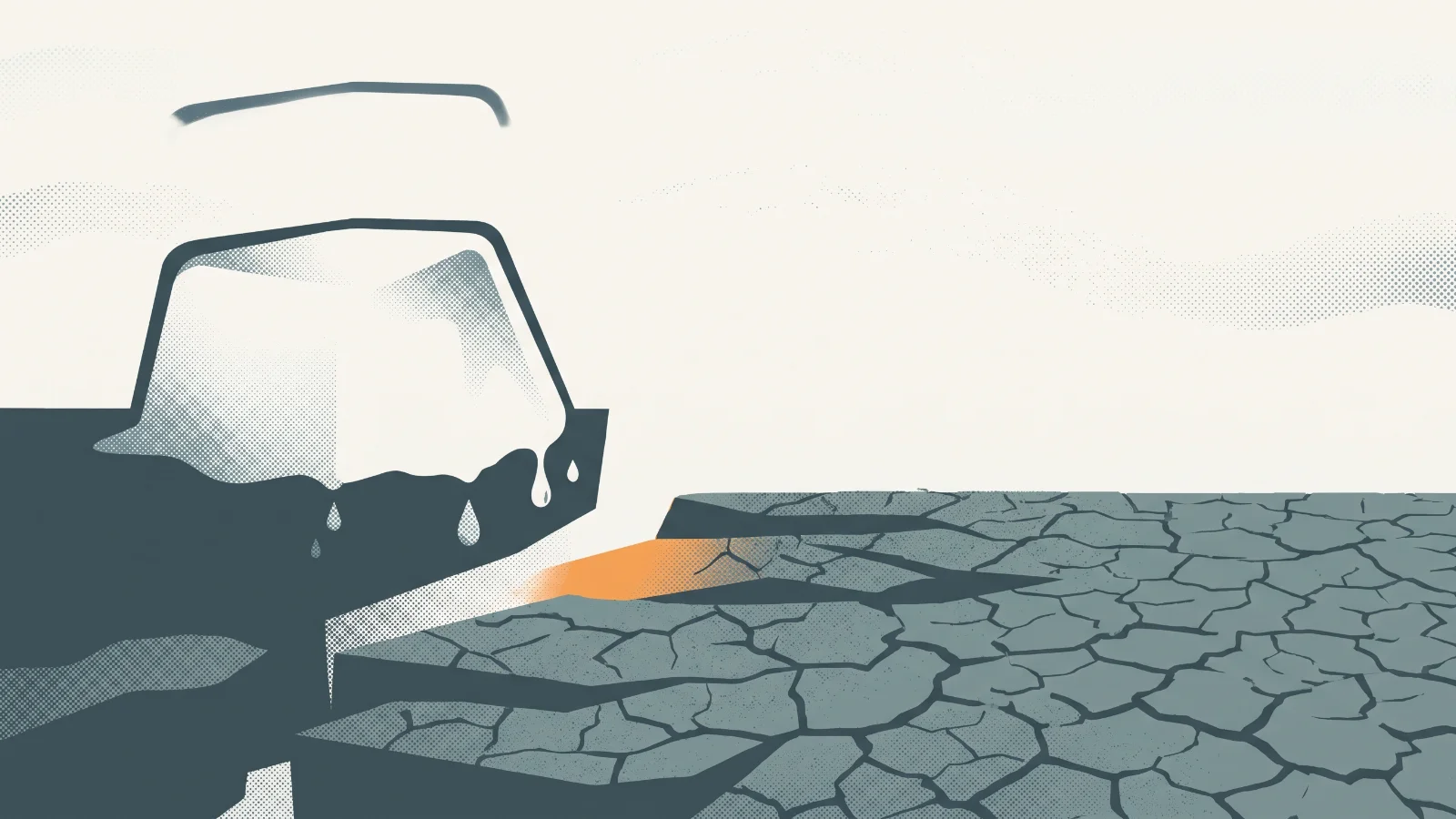
Rising greenhouse gas concentrations are driving up global temperatures and setting off dangerous feedback loops that current climate models have not fully accounted for. Scientists have long warned that warming would propel further warming, and a growing body of research is now providing a sharper sense of how powerful these cascading effects could be, showing that the planet may warm faster than expected.
A study published in Environmental Research Letters in September found that additional carbon dioxide and methane from thawing permafrost, intensifying wildfires, and warmer wetlands could drive global average temperatures up by 0.2 °C to 0.4 °C this century. This would come on top of the 2.6 °C of warming modelers expect through 2100. However, none of the models informing the major United Nations climate reports account for all these feedback effects.
A separate analysis published in One Earth in March concluded that three regional sources of warming-driven emissions may shorten the time before the planet breaches the 1.5 °C and 2 °C thresholds by as much as 25%. Sam Abernethy, a climate scientist at Spark Climate Solutions, emphasizes that climate models and UN reports clearly need updating to represent these effects better.
More than 20 international teams are currently running analyses to develop a greater understanding of these feedback loops. Researchers hope the UN will incorporate those results into its next major climate assessment, due in 2029. Meanwhile, scientists are investigating various interventions, such as preventing fires to protect carbon-rich permafrost and adding compounds to wetlands to counteract fast-rising methane emissions.