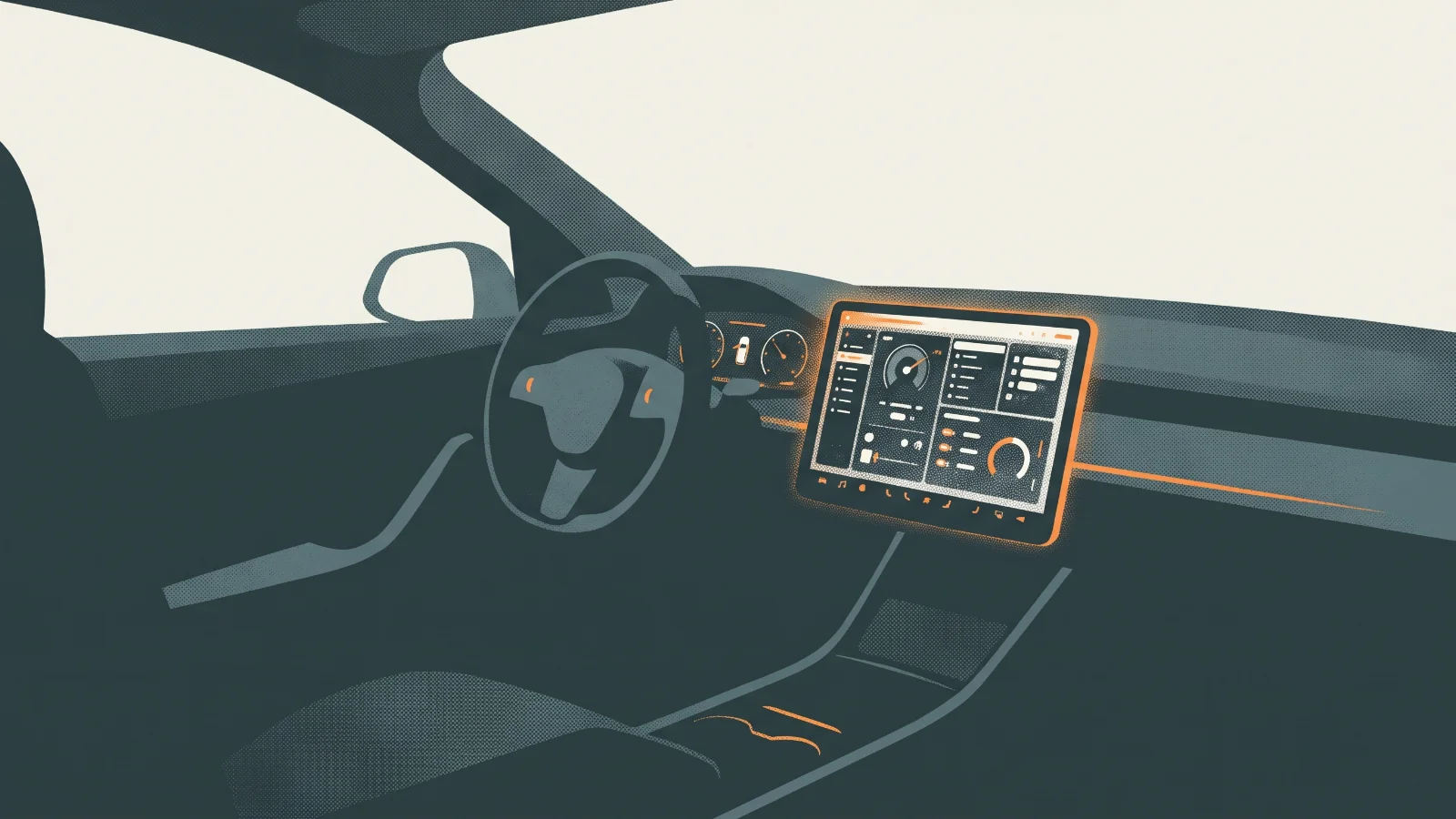
The long-standing automotive industry trend of touch-heavy minimalist interior design is beginning to shift following widespread backlash from drivers. Just like in home decor, vehicle cabin designs are heavily influenced by fashion cycles that often lose their appeal over time. The widespread removal of physical buttons in favor of placing all controls within software, along with the heavy use of "Piano Black" surfaces, was initially adopted to cut production costs and create a modern aesthetic.
Hiren Patel, a senior design manager at Nissan, points out that the primary motivation behind this transition was to transform the vehicle interior into a software-centric experience. Designers and engineers believed that eliminating physical switches would simplify manufacturing processes and save companies significant money. This philosophy ultimately led to the creation of minimalist cabins that looked incredibly sleek on showroom floors but lacked practical usability.
However, cars are built to be driven actively on roads, not just to sit idle in dealerships. Drivers have increasingly voiced their frustration over having to take their eyes off the street simply to adjust the climate control or change their seating position. As Patel emphasizes, interacting with a touchscreen while driving does not offer the same intuitive, easy experience as using a smartphone. This growing volume of consumer complaints indicates that the industry's pushback against overly digital interiors is starting to take effect.